

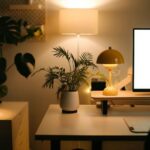
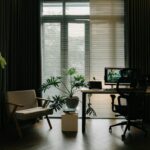
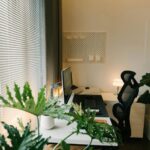
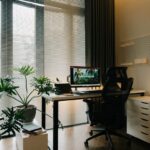
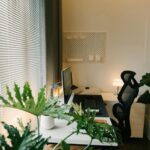
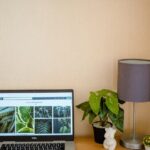



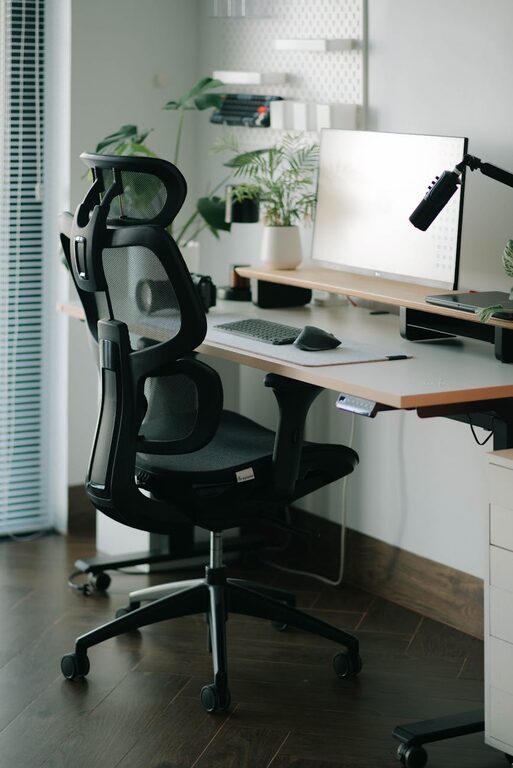
Creating a comfortable and productive home office space is essential for anyone working remotely or spending significant time at home on professional tasks. A well-designed home office can boost your focus, reduce stress, and improve your overall work experience. Whether you have a dedicated room or just a small corner, there are many ways to optimize your space to suit your needs. In this post, we’ll explore practical tips that help you create a home office that is both comfortable and productive.
Choose the Right Location
The first step in setting up a home office is selecting the best spot. Ideally, pick a quiet area away from household distractions. Here are a few things to consider:
– Natural Light: Try to position your desk near a window. Natural light can improve mood and reduce eye strain.
– Privacy: Choose a space that provides privacy for focused work and video calls.
– Accessibility: Make sure the area is easy to access and has enough room for the furniture and equipment you need.
Even if space is limited, a quiet nook with good lighting can work well.
Invest in Comfortable Furniture
Your furniture plays a huge role in your comfort and productivity.
– Ergonomic Chair: A supportive chair with adjustable height and lumbar support helps prevent back pain.
– Desk: Choose a desk size that fits your work equipment without clutter. Consider standing desks for alternating between sitting and standing.
– Monitor Stand: Elevate your monitor to eye level to maintain good posture and reduce neck strain.
Remember, comfort reduces fatigue and helps you stay focused for longer periods.
Organize Your Workspace
An organized workspace limits distractions and boosts efficiency.
– Declutter Regularly: Keep only what you need on your desk.
– Storage Solutions: Use shelves, drawers, or filing cabinets to store supplies and papers.
– Cable Management: Organize wires with clips or sleeves to keep your desk tidy.
– Workspace Zones: If possible, create specific zones for different tasks like computer work, writing, or meetings.
Each item should have a place to keep your space neat.
Pay Attention to Lighting
Good lighting is crucial for a productive environment.
– Task Lighting: Desk lamps focused on your workspace can provide additional light when needed.
– Avoid Glare: Position your screen to prevent glare from windows or lamps.
– Ambient Lighting: Soft, ambient light creates a pleasant atmosphere and reduces eye strain.
Balanced lighting helps maintain alertness and reduces headaches.
Personalize Your Space
Personal touches can make your home office feel welcoming and motivate you.
– Decor: Add artwork, plants, or inspiring quotes that resonate with you.
– Colors: Use calming or energizing colors, depending on what helps you focus.
– Comfort Items: Keep a cozy blanket, water bottle, or stress ball within reach.
Personalization helps create a positive and enjoyable workspace.
Minimize Distractions
Distractions can break your concentration and slow your work.
– Noise Control: Use noise-canceling headphones or white noise machines if your environment is noisy.
– Set Boundaries: Inform family or roommates about your work hours to reduce interruptions.
– Technology Management: Turn off non-essential notifications and use apps to stay focused.
Establishing clear boundaries supports a productive mindset.
Optimize Technology and Connectivity
Reliable technology is a must for efficient remote work.
– Stable Internet: Ensure you have a strong, stable internet connection to avoid disruptions.
– Equipment: Invest in quality hardware like a fast computer, good microphone, and comfortable keyboard.
– Backup Plan: Have a backup battery or power source if possible to prevent downtime.
Technology should enable your work, not hinder it.
Incorporate Break and Movement Areas
Taking breaks and moving regularly improves focus and well-being.
– Stretching Space: Leave room to stretch or do light exercises during breaks.
– Break Reminders: Use timers or apps that remind you to take short breaks.
– Change Positions: If possible, alternate between sitting and standing.
Regular movement helps avoid fatigue and boosts creativity.
Maintain a Healthy Work-Life Balance
Your home office should support both your professional and personal life.
– Set Work Hours: Stick to a schedule to separate work and relaxation.
– End-of-Day Routine: Develop a routine to signal the end of work and transition to personal time.
– Clean Up: Tidy your workspace at the end of each day to start fresh tomorrow.
Clear boundaries help reduce burnout and keep you motivated.
—
Creating a comfortable and productive home office is a mix of thoughtful design, organization, and habits. By paying attention to your environment and working style, you can make your space a place where work feels enjoyable and effective. Remember, a well-planned home office is an investment in your productivity and well-being.