

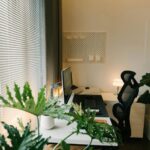
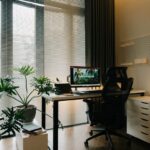
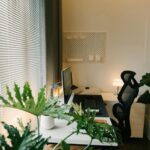




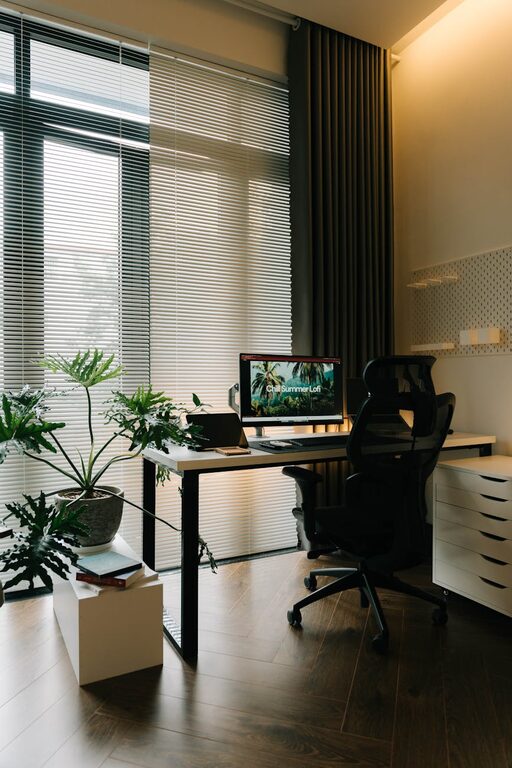
Creating a relaxing home office environment is essential for maintaining focus, reducing stress, and boosting productivity. Whether you work remotely full-time or need a quiet spot for occasional tasks, your workspace should feel inviting and peaceful. Here are some practical tips and ideas to help you design a home office that supports both your work and mental well-being.
1. Choose a Quiet, Comfortable Location
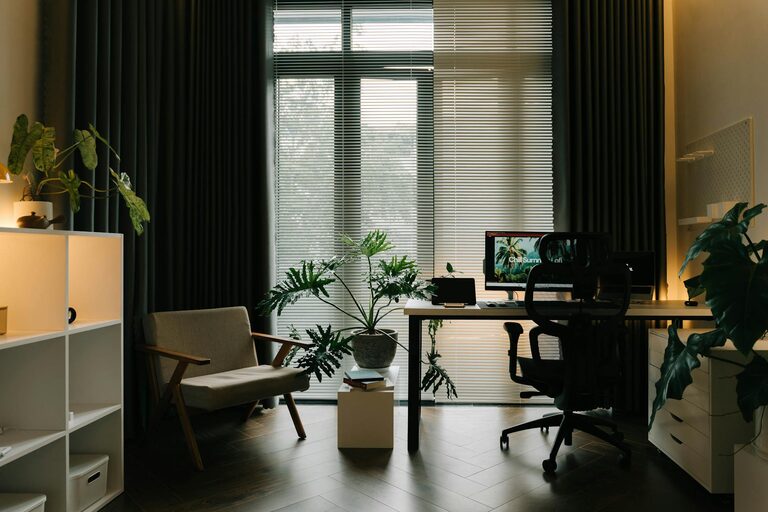
Start by selecting a spot in your home that minimizes distractions. If possible, pick a room or corner away from noisy areas like the kitchen or living room. Natural light and fresh air can also improve your mood and focus, so consider positioning your desk near a window.
Tips:
– Use noise-cancelling headphones or soft background music to reduce distractions.
– Consider a room divider or privacy screen if your office shares space with other activities.
2. Invest in Ergonomic Furniture
Comfort is key to staying productive without getting tired or developing aches. An ergonomically designed chair and desk help you maintain good posture and reduce strain.
Recommendations:
– Choose an adjustable chair with lumbar support.
– Opt for a desk at the right height so your arms rest comfortably.
– Use a keyboard and mouse setup that feels natural.
– Consider a standing desk or desk converter to alternate between sitting and standing.
3. Keep Your Space Organized
A cluttered environment can lead to a cluttered mind. Keeping your home office tidy and well-organized helps you find what you need quickly and creates a calm atmosphere.
Organizing tips:
– Use shelves, drawers, and containers to store supplies.
– Keep only essentials on your desk.
– Sort paperwork regularly and digitize documents where possible.
– Create a dedicated space for charging devices and cables.
4. Use Calming Colors and Decor
Colors can impact your mood and productivity. Soft, neutral tones like light blues, greens, or warm grays create a calming environment. Avoid overly bright or harsh colors that might be distracting.
Decorating ideas:
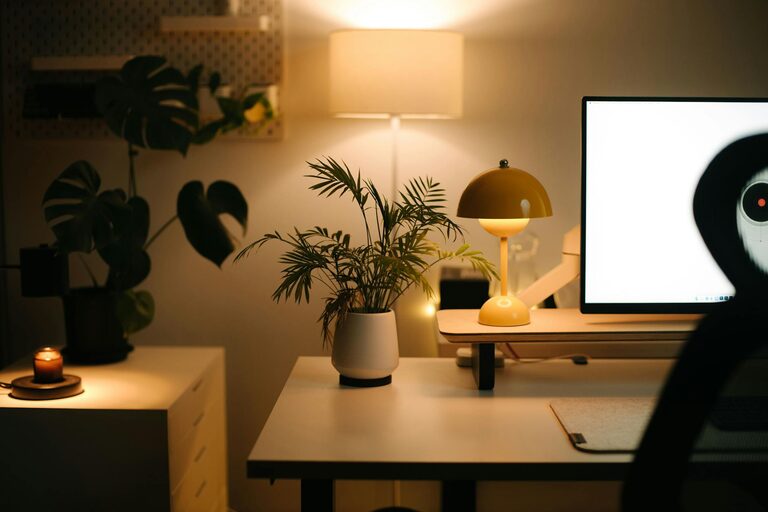
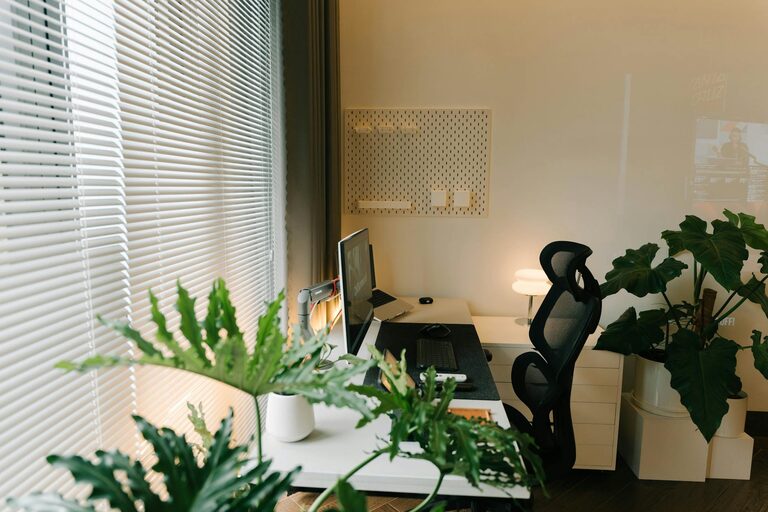
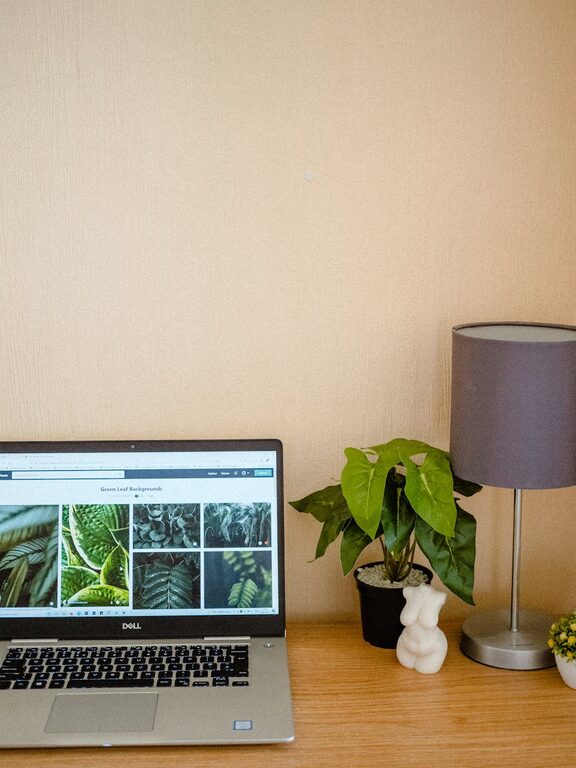
– Add some greenery with potted plants or succulents.
– Hang inspiring art or photos that make you feel relaxed.
– Use soft lighting such as lamps or light bulbs with a warm color temperature.
– Incorporate textures like rugs or cushions to make the space cozy.
5. Control Lighting for Comfort and Focus
Good lighting is essential for reducing eye strain and maintaining energy throughout your workday.
Lighting tips:
– Maximize natural light during the day by keeping windows unobstructed.
– Use adjustable desk lamps to focus light where you need it.
– Consider daylight or full-spectrum bulbs to mimic natural sunlight.
– Avoid glare on computer screens by positioning your monitor perpendicular to windows.
6. Minimize Digital Distractions
Technology is a key part of a home office, but it can also be a source of distractions.
Ways to stay focused:
– Turn off unnecessary notifications during work hours.
– Use apps that block distracting websites.
– Keep personal devices out of reach or in another room if possible.
– Organize your desktop and digital files for quick access.
7. Personalize the Space to Your Preference
Adding personal touches can make your home office feel welcoming and motivate you throughout the day.
Suggestions:
– Display motivational quotes or vision boards.
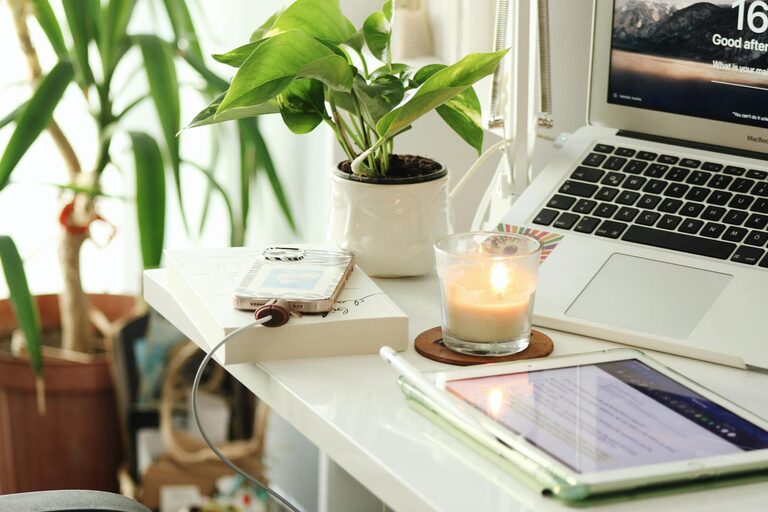
– Use scented candles or essential oil diffusers for a calming aroma.
– Play soft background music or white noise if it helps your concentration.
– Customize your workspace with colors or items that boost your mood.
8. Incorporate Break and Movement Areas
Taking breaks and moving regularly is important for avoiding burnout and maintaining health.
Ideas:
– Keep a yoga mat or stretching area nearby.
– Place a comfortable chair for reading or relaxing during breaks.
– Use a timer or app to remind you to stand up and move.
– Include a water bottle or a small snack station to stay refreshed.
—
Creating a relaxing home office environment doesn’t require a complete overhaul. Small adjustments and thoughtful organization can make a big difference in how you feel and perform. By incorporating comfort, good lighting, fewer distractions, and personal touches, your workspace can become a place where you enjoy working and stay productive all day long.