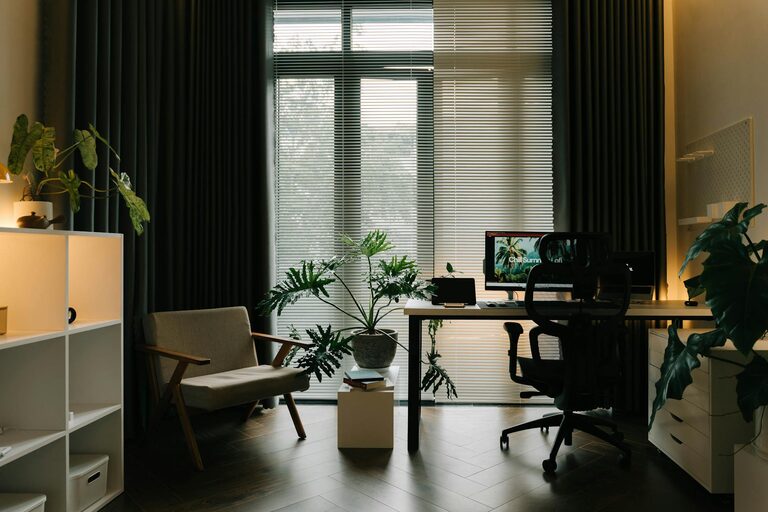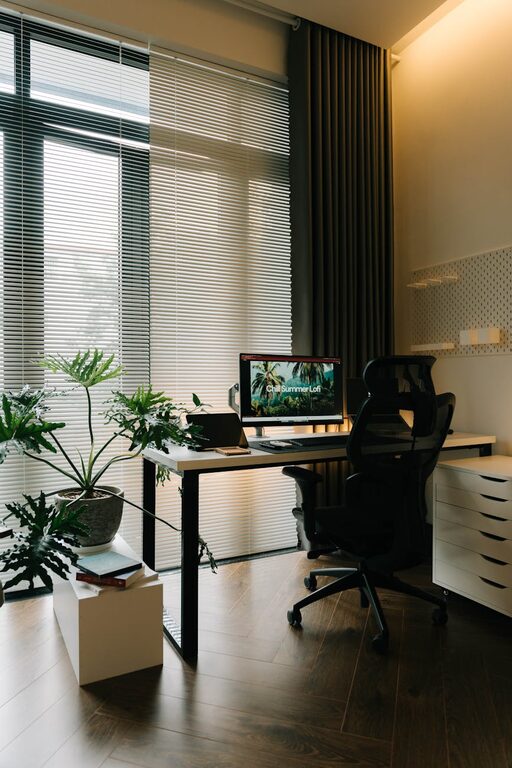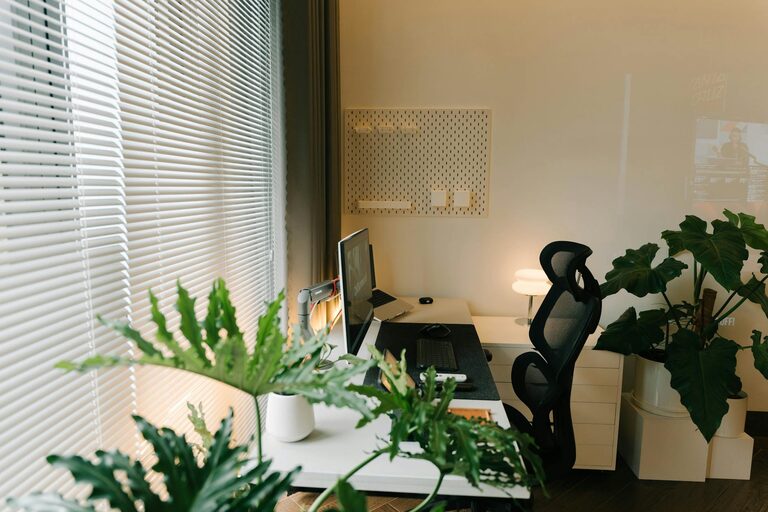







Creating a home office that feels both cozy and productive is essential for anyone working from home. A well-designed workspace can improve focus, reduce stress, and make your workday more enjoyable. Whether you have a dedicated room or just a corner of a room, these tips will help you build a home office that balances comfort and efficiency.
Choose the Right Location
Find a Quiet Spot
Start by selecting a space in your home that is quiet and free from distractions. Avoid areas with heavy foot traffic or noise from television and household activities. If possible, choose a room with a door so you can separate work from leisure time.
Consider Natural Light
Natural light can boost your mood and energy levels. If you can, position your desk near a window. This will not only help illuminate your space but also give you a pleasant view to look at during breaks.
Invest in Comfortable and Functional Furniture
Supportive Chair
A comfortable, ergonomically designed chair is one of the most important purchases for a home office. It supports your posture and prevents back pain during long work sessions.
Desk Options
Choose a desk that fits your space and work style. Standing desks or adjustable desks are popular options for those wanting flexibility. Make sure your desk surface is large enough to accommodate your computer, notebooks, and other essentials.
Add Storage Solutions
To keep your workspace organized, use shelves, filing cabinets, or desk organizers. Having a designated place for everything reduces clutter and promotes better focus.
Personalize Your Space
Color and Décor
Select calming colors like soft blues, greens, or neutrals for your office walls. These colors are known to promote relaxation and concentration. Add artwork, plants, or other personal touches to make the space inviting.
Plants for Freshness
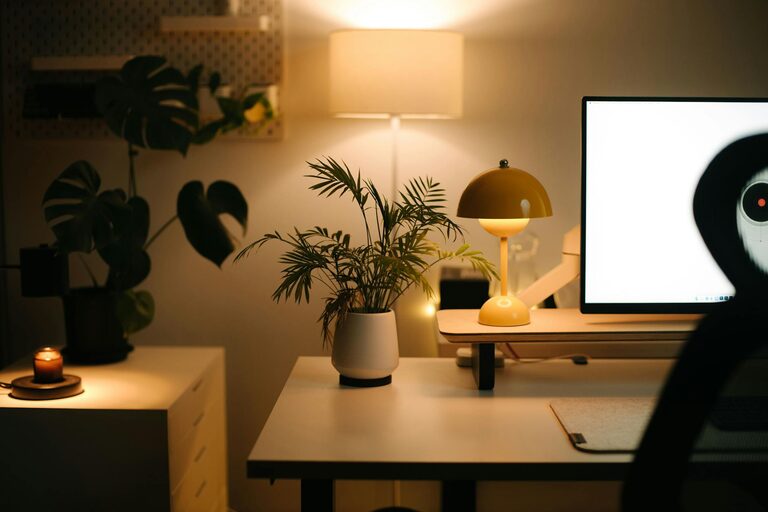
Indoor plants not only improve air quality but also brighten your office environment. Small succulents or a medium-sized potted plant can make a big difference.
Lighting
In addition to natural light, use layered lighting options. A good desk lamp with adjustable brightness will reduce eye strain, especially during evening work sessions.
Organize for Efficiency
Declutter Regularly
Keep your desk tidy by removing items you don’t use daily. Use cable management tools to prevent cords from tangling and creating visual noise.
Use Digital Tools
Take advantage of digital calendars, to-do lists, and project management apps to stay organized without cluttering your desk.
Create Zones
If your space allows, designate specific zones for different activities such as computer work, reading, or brainstorming. This separation can help your brain switch gears and stay productive.
Maintain Healthy Habits
Take Breaks
Remember to take short breaks throughout your day to stretch, move around, and rest your eyes. This helps maintain focus and prevents burnout.
Stay Hydrated and Snack Wisely
Keep a water bottle at your desk and choose healthy snacks to maintain your energy levels.
Invest in Ergonomics
Position your computer screen at eye level and use a keyboard and mouse that promote comfortable hand placement to avoid strain.
Keep Technology in Check
Reliable Equipment
Invest in a reliable computer, fast internet connection, and any other tools necessary for your work. Downtime caused by technical issues can be frustrating and disruptive.
Minimize Distractions
Turn off non-work-related notifications and consider noise-canceling headphones if your environment is noisy.
Final Thoughts
Designing a cozy and productive home office takes some planning, but the benefits are well worth the effort. By choosing the right location, investing in comfortable furniture, personalizing your space, and keeping everything organized, you can create an environment where you enjoy working every day. Remember, the goal is to make your home office a place that supports your focus while keeping you comfortable and inspired.